Verve - Next.js CRM Template
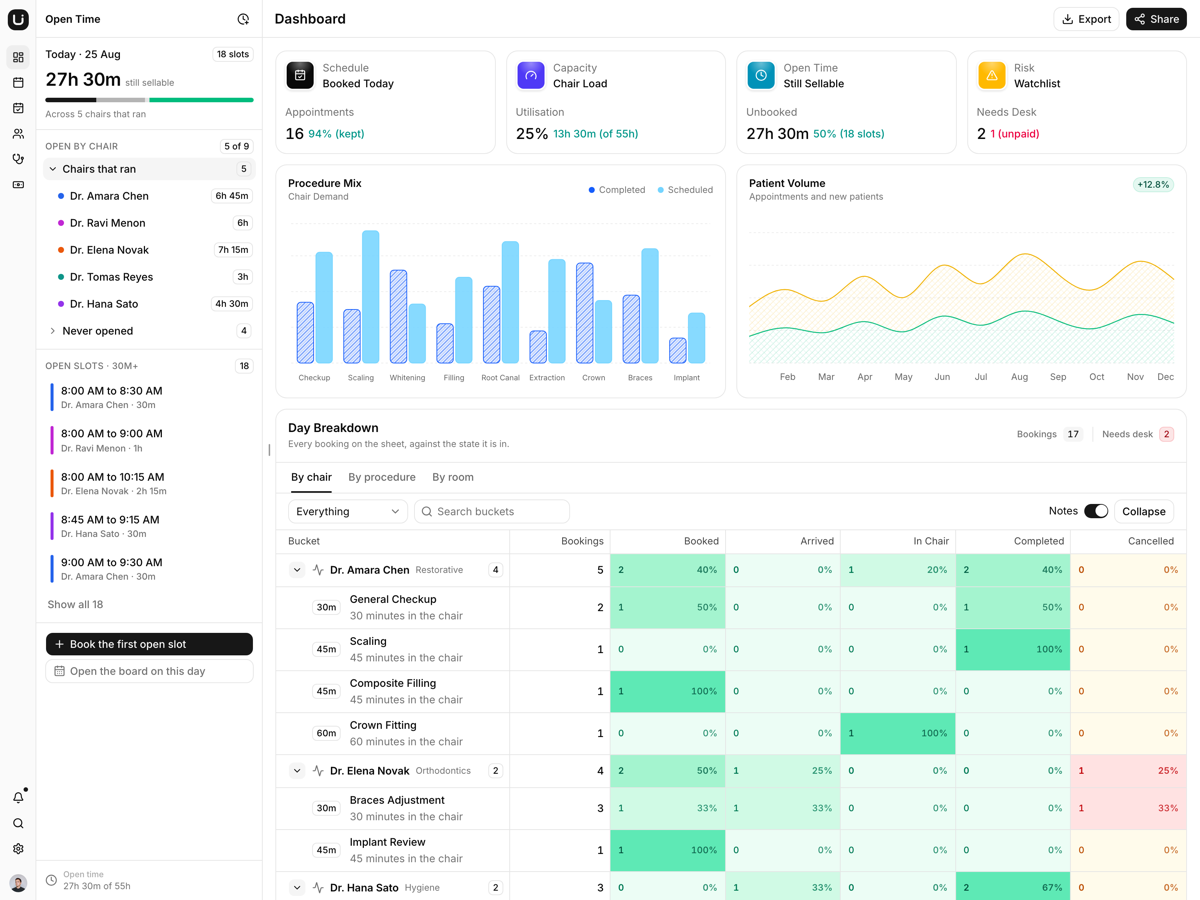
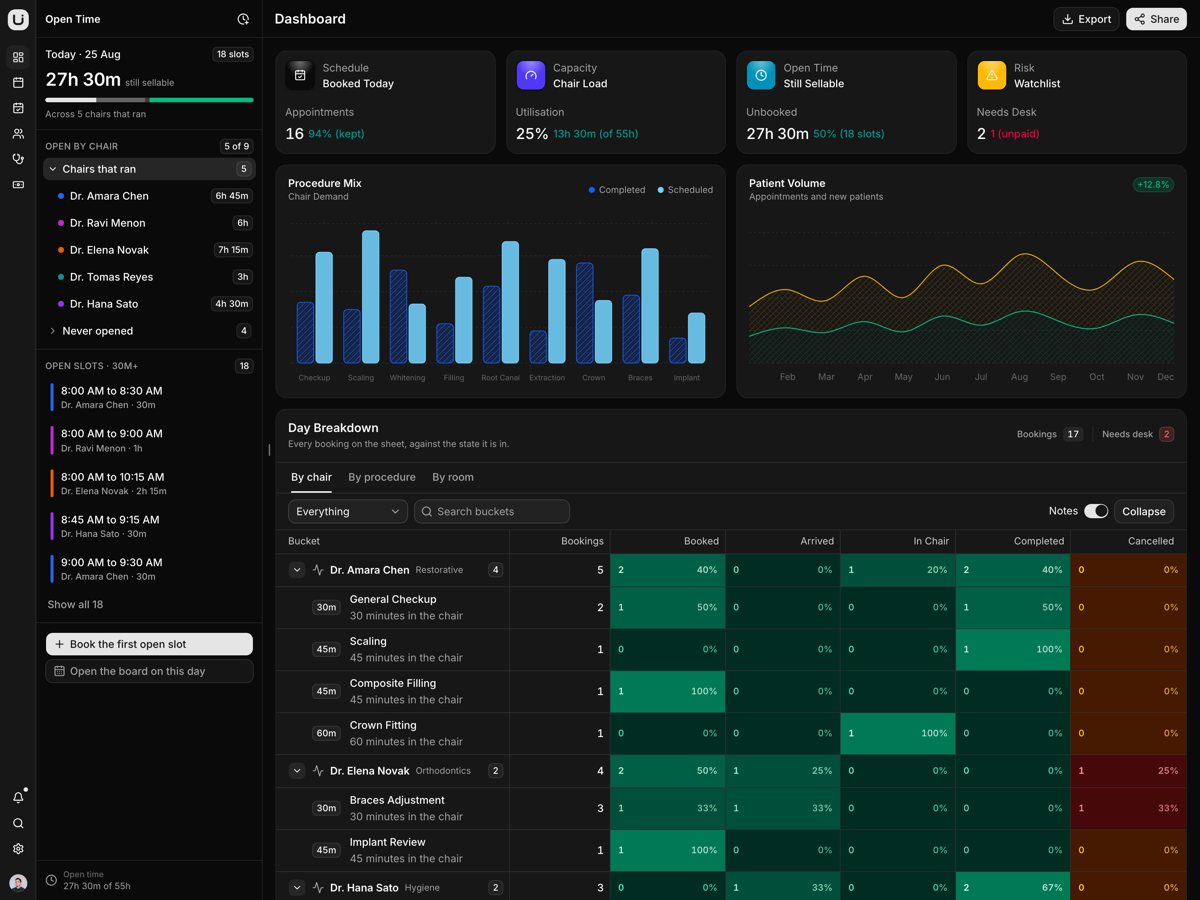
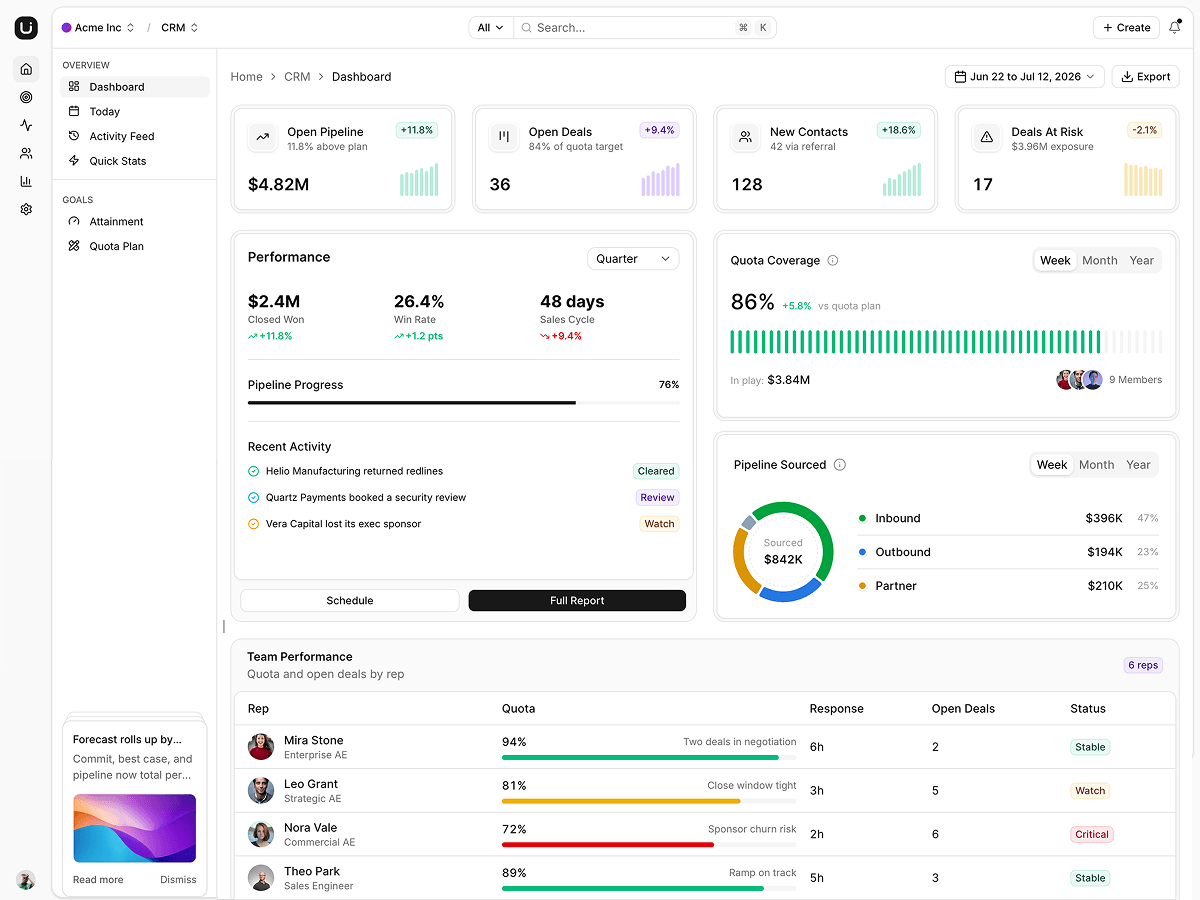
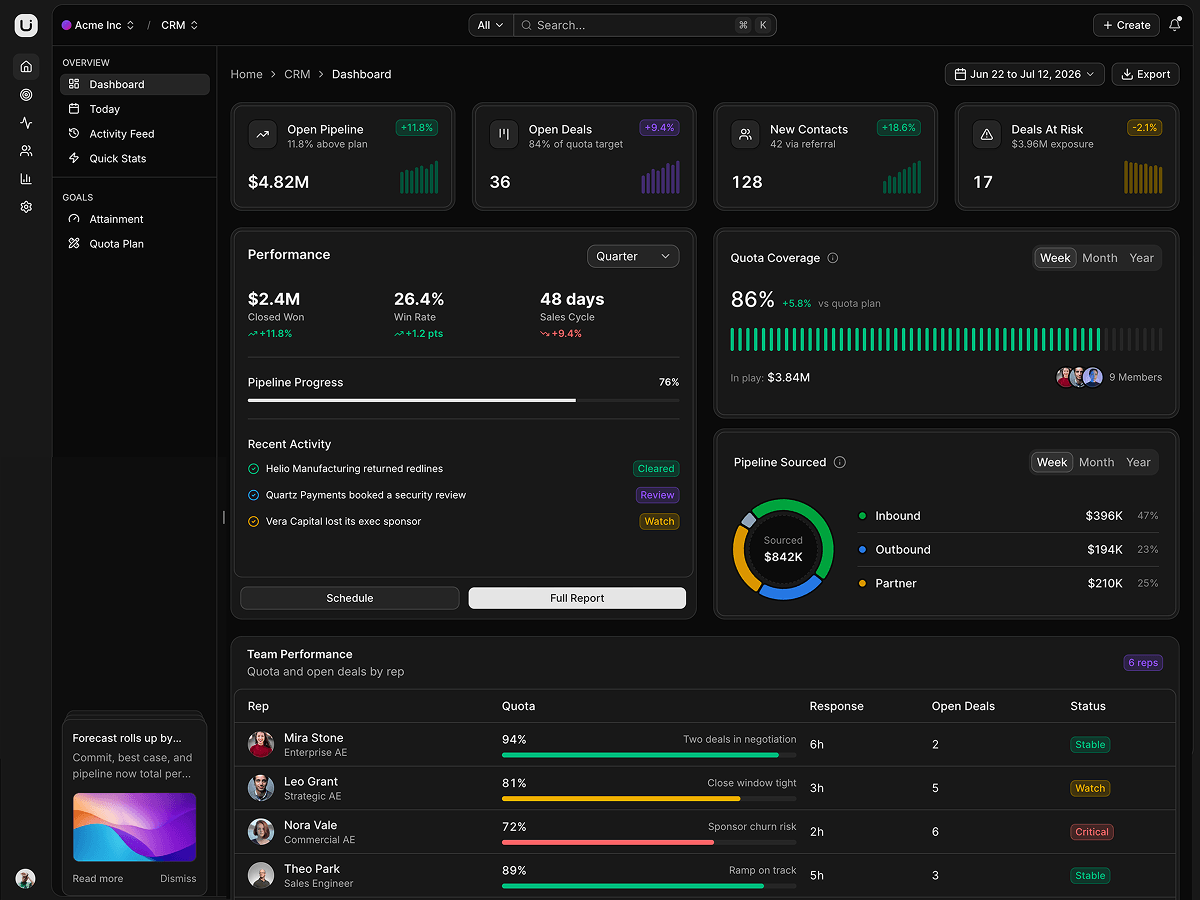
popularA Next.js sales CRM across 30 routes: deal board, forecast, quotes and approvals, contacts and companies, reports and a full settings area.


What is included
- Twelve grids, three bars. Ticking rows on Quotes assigns an owner, on Contacts adds to a list, on Approvals approves or denies.
- Deal board on dnd-kit. Cards drag between six stages, New Lead through Closing, each showing a win probability bar.
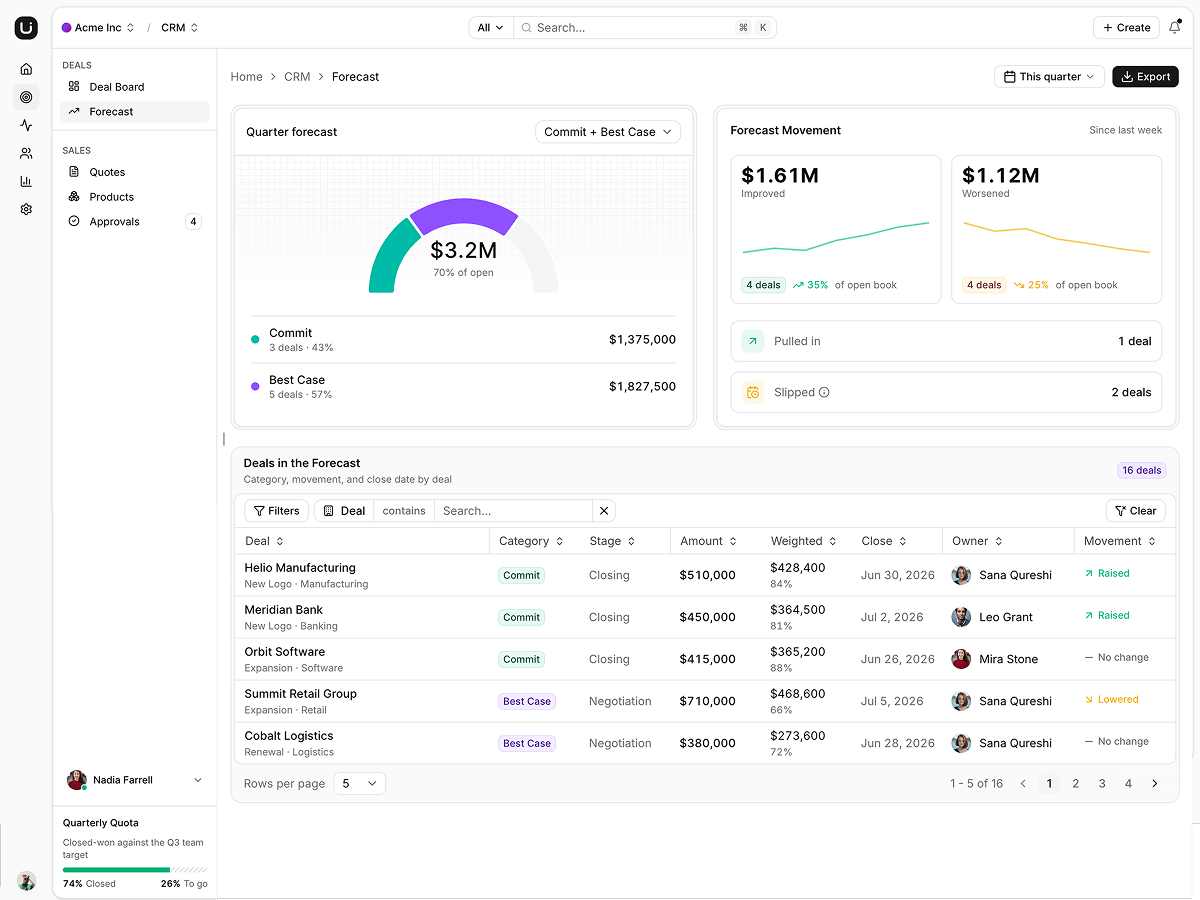
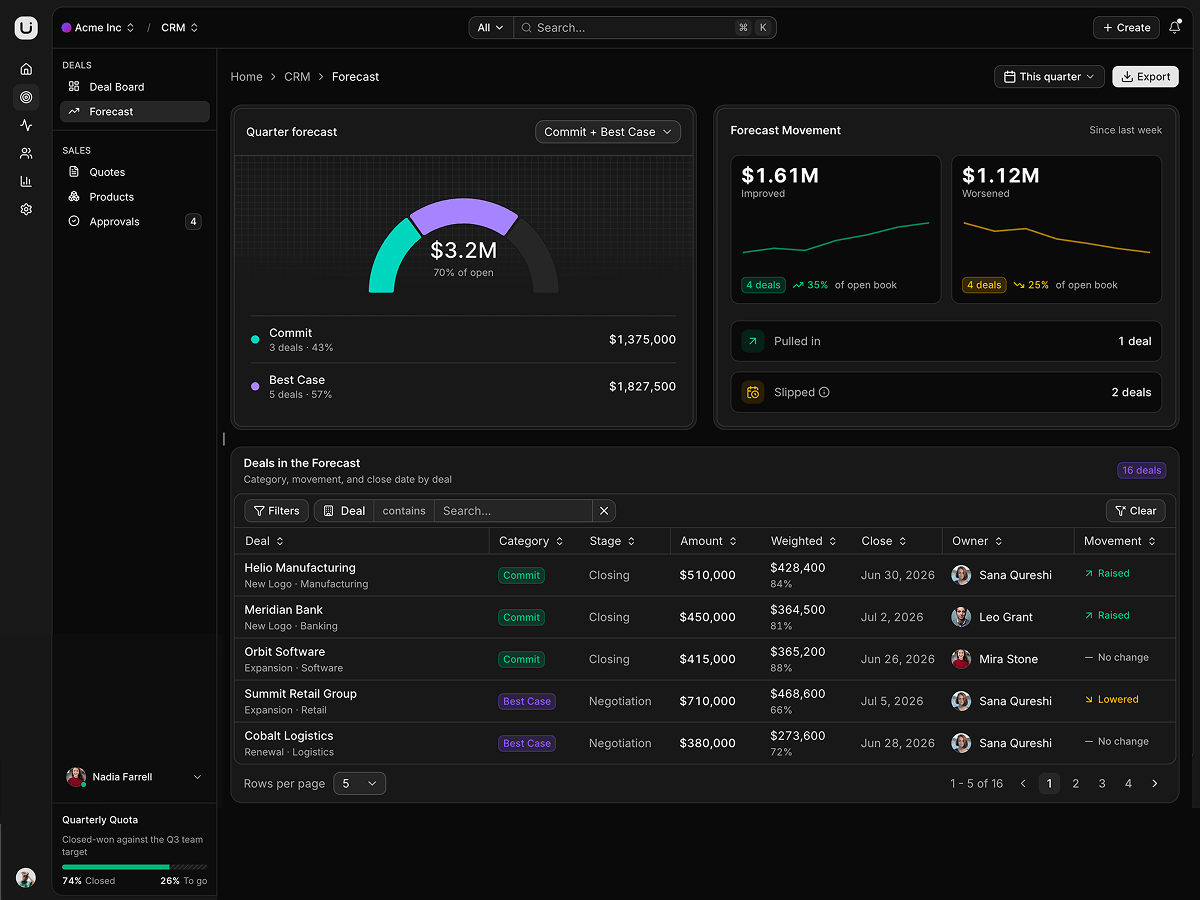
- Forecast reads the board. Rollup, movement chart and table compute from the board, collapsing six stages into Commit, Best Case and Pipeline.
- Quotes priced from catalog. Only visible, Active products reach the picker at /quotes/new.
- Approvals carry policy checks. Discount and terms requests list checks reading pass, warn or fail, and approve or deny in bulk.
- Inline cell edits validate. Quota Plan and Products edit in place, and a quota over 250,000 is rejected with a message.
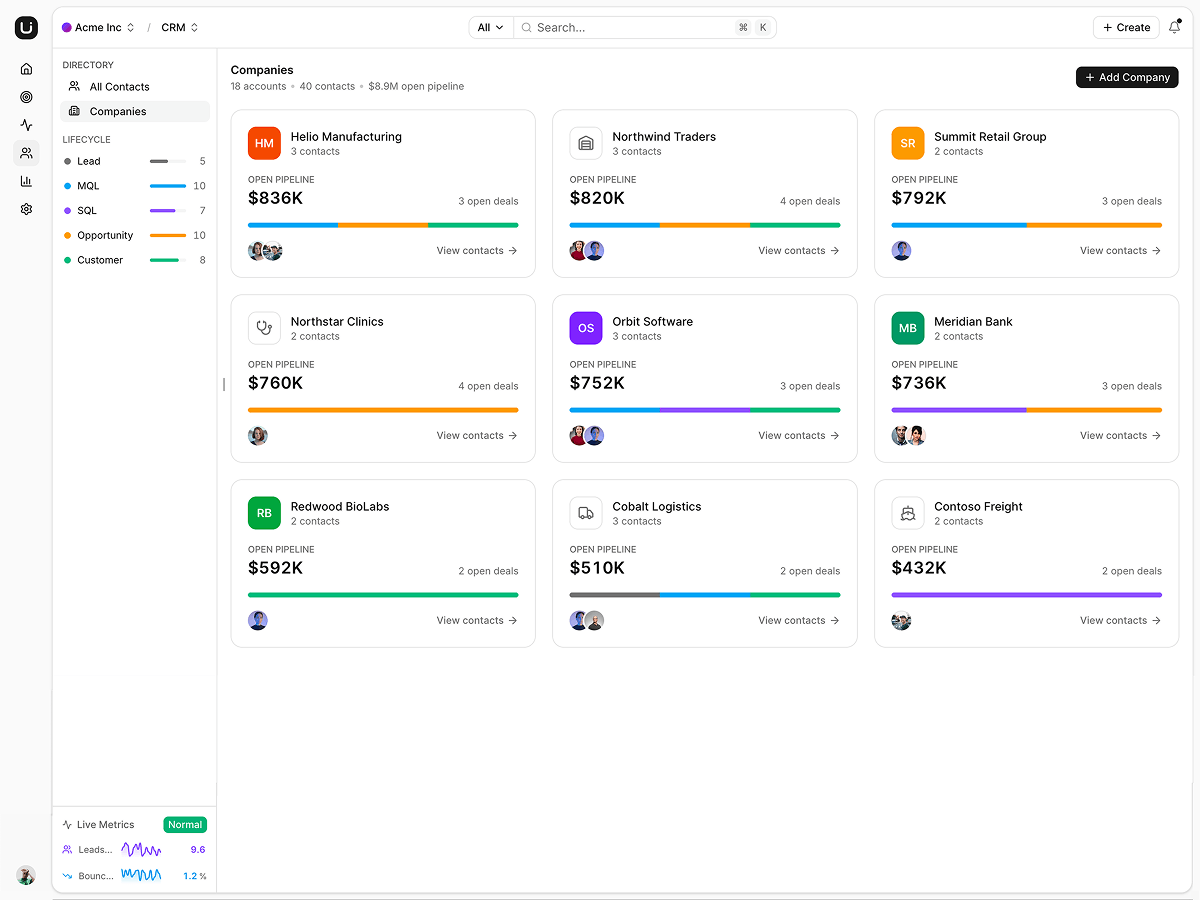
- Contact records prerender. Every contact prerenders at /contacts/[id] with its own timeline.
- Settings and account routes. Team, billing, API keys with reveal and rotate, webhooks and integrations.
Who it is for
- Building a CRM for a vertical The board, the contact record and the quote builder are the slowest screens to write.
- An internal sales tool outgrowing its grid Trade one grid for a board, a forecast and a quota plan.
- A sales API with no front end Point features/pipeline/components/data.tsx at your deals endpoint and both the board and forecast follow.
Frequently asked questions
Does it come with a backend?
No. Each feature keeps its sample data in a typed module under features/, imported directly by the components that render it. Swap a module for your own fetch and the component props stay the same, though a page that fetches on the server has to become async.
If I drag a deal on the board, does the forecast follow?
Not while you drag. The forecast rows are computed from the deal board's data module, so the rollup, the movement chart and the table all follow that one file, while the board's drag state is local to its page. Edit that file and every forecast number moves with it. Home's KPI cards read a separate 36-deal set, so its totals and the forecast's do not reconcile in the demo data.
Is authentication wired?
No. /login is a magic-link form with client-side validation plus Google, Apple and GitHub buttons, and submitting it routes into the app. The sign-in call sits behind a customize: marker, there is no middleware and no route is guarded, so add your provider and route protection before real users see it.
What do I get when I download a template?
The full source of a standalone project: every page, component, route, and style, ready to run locally. Templates are built entirely from ReUI blocks and components, so the code matches the registry you already use.
Do I need a plan to download templates?
Free templates only need a ReUI account, so sign in and download. Every other template is included with the Ultimate plan, alongside all blocks and Motion Icons.
Are templates sold individually?
No. Templates come with the Ultimate plan rather than as separate purchases, so one upgrade unlocks the whole catalog, including everything added later.
How do I install a template?
Download the source, install dependencies with your package manager, add your environment variables, and run the dev server. Each template ships a README with its own setup steps.